Buy onlinefilmsdownload.com ?
We are moving the project
onlinefilmsdownload.com .
Are you interested in purchasing the domain
onlinefilmsdownload.com ?
domain@kv-gmbh.de · 0541-91531010
Buy onlinefilmsdownload.com ?
How can I send framed paintings?
To send framed paintings, you will need to take extra care to ensure they are properly protected during transit. Start by wrapping the painting in a layer of bubble wrap, making sure to cover the entire surface. Then, place the wrapped painting in a sturdy cardboard box that is slightly larger than the painting itself. Fill any empty spaces in the box with packing peanuts or bubble wrap to prevent the painting from shifting during transit. Finally, seal the box securely with packing tape and clearly label it as fragile. Consider using a shipping service that specializes in handling delicate items to ensure the safe delivery of your framed paintings. **
What is a framed single narrative?
A framed single narrative is a storytelling technique where a main story is presented within the context of a secondary story. The secondary story serves as a framing device, providing a context or setting for the main narrative. This technique allows for multiple layers of storytelling and can add depth and complexity to the overall narrative. It is often used to create a sense of storytelling within storytelling, and can be found in literature, film, and other forms of media. **


Similar search terms for Bouncyband-Indoor-Framed-Sensory
Top-Angebote
Products related to Bouncyband-Indoor-Framed-Sensory:
-
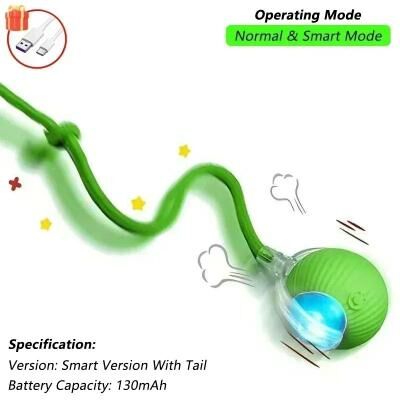
Uplift Essentials Smart Interactive Rolling Mouse Ball With Sensory Tail For Indoor Cats redKeep your pet captivated for hours with this cuttingedge automatic rolling cat toy, designed to mimic the erratic, highspeed movements of real prey. Unlike standard stationary toys, this intelligent device features a motorized core and a lifelike...34,97 $*Shipping: 0,00 $Secure redirect to the provider
-
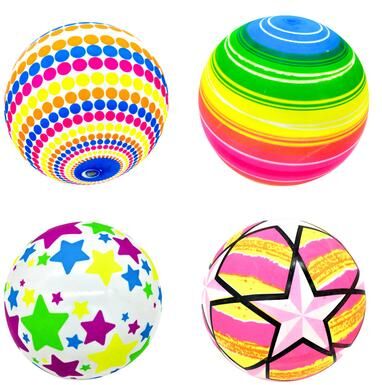
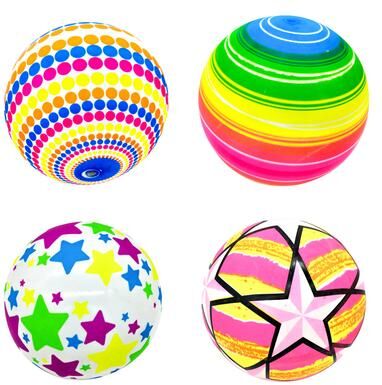
Smart Shopping Spot Elastic Rainbow Sensory Ball Set Soft Bouncy Stress Relief Toy For Kids Indoor Outdoor Play Elastic Rainbow Sensory Ball Set Soft Bouncy Stress Relief Toy For Kids Indoor Outdoor PlayBring endless joy and energy to playtime with this vibrant sensory 2pcs toy for kids designed to bounce, stretch, and spark imagination. Made from soft yet durable materials, this colorful ball delivers a satisfying tactile experience that keeps...34,97 $*Shipping: 0,00 $Secure redirect to the provider


-
What are sensory cells, sensory organs, and senses?
Sensory cells are specialized cells that detect and respond to specific stimuli, such as light, sound, touch, taste, and smell. These cells are found in sensory organs, which are structures in the body that contain sensory cells and are responsible for detecting and transmitting sensory information to the brain. The senses, on the other hand, are the physiological capacities of organisms that provide data for perception. They include sight, hearing, touch, taste, and smell, and are essential for experiencing and interacting with the environment. **
-
What is the difference between a primary sensory cell, a secondary sensory cell, and a sensory nerve cell?
Primary sensory cells are specialized cells that directly detect stimuli from the environment, such as light, sound, or touch. Secondary sensory cells receive signals from primary sensory cells and transmit them to the central nervous system. Sensory nerve cells, also known as sensory neurons, are responsible for transmitting the signals from secondary sensory cells to the brain, where they are processed and interpreted. In summary, primary sensory cells detect stimuli, secondary sensory cells relay the signals, and sensory nerve cells transmit the signals to the brain for processing. **
-
What is sensory perception?
Sensory perception refers to the process of receiving and interpreting information from the environment through the senses. This includes the five main senses of sight, hearing, touch, taste, and smell, as well as other sensory experiences such as balance, proprioception, and temperature. The brain then processes this sensory information to create a perception of the world around us, allowing us to interact with and understand our surroundings. Sensory perception is essential for everyday functioning and plays a crucial role in how we experience and navigate the world. **
-
Are receptors sensory cells?
Receptors are not sensory cells themselves, but they are specialized proteins located on the surface of sensory cells. These receptors are responsible for detecting and responding to specific stimuli, such as light, sound, taste, or smell. When a receptor is activated by a stimulus, it triggers a series of biochemical reactions within the sensory cell, ultimately leading to the generation of a sensory signal that can be transmitted to the brain for processing. Therefore, while receptors are not sensory cells, they play a crucial role in the sensory process by detecting and transducing stimuli into neural signals. **
What are sensory nerve cells?
Sensory nerve cells, also known as sensory neurons, are specialized cells that transmit information from the body's sensory organs (such as the skin, eyes, ears, nose, and tongue) to the central nervous system. These cells are responsible for detecting various stimuli, such as touch, temperature, pain, and pressure, and converting these stimuli into electrical signals that can be interpreted by the brain. Sensory nerve cells play a crucial role in allowing us to perceive and respond to our environment. **
How does sensory development progress?
Sensory development progresses through a series of stages, beginning with basic sensory experiences such as touch, taste, and smell in infancy. As children grow, they develop more refined sensory abilities, such as improved vision and hearing, and begin to integrate sensory information to make sense of their environment. This process continues into adolescence and adulthood, with individuals becoming more adept at interpreting and responding to sensory stimuli. Overall, sensory development progresses from basic sensory experiences to more complex and integrated sensory abilities as individuals mature. **
Top-Angebote
Products related to Bouncyband-Indoor-Framed-Sensory:
-
Bouncyband Indoor Framed Sensory Dark DenBouncyband Framed Indoor Sensory Dark Den - Sturdy ready-made safe sensory environment for classroom & home use. Perfect for children who need a distraction free setting or stimulation via glowing objects. Create an interference-free mini sensory room.159,99 $*Shipping: 0,00 $Secure redirect to the provider
-
Bouncyband Pop-Up Portable Sensory Dark DenThe Pop-Up Portable Sensory Dark Den makes it simple to create a calm, ever-changing environment for classroom and home use. Perfect for children who need a distraction free setting or stimulation via glowing objects.148,99 $*Shipping: 0,00 $Secure redirect to the provider
-
How can I send framed paintings?
To send framed paintings, you will need to take extra care to ensure they are properly protected during transit. Start by wrapping the painting in a layer of bubble wrap, making sure to cover the entire surface. Then, place the wrapped painting in a sturdy cardboard box that is slightly larger than the painting itself. Fill any empty spaces in the box with packing peanuts or bubble wrap to prevent the painting from shifting during transit. Finally, seal the box securely with packing tape and clearly label it as fragile. Consider using a shipping service that specializes in handling delicate items to ensure the safe delivery of your framed paintings. **
-
What is a framed single narrative?
A framed single narrative is a storytelling technique where a main story is presented within the context of a secondary story. The secondary story serves as a framing device, providing a context or setting for the main narrative. This technique allows for multiple layers of storytelling and can add depth and complexity to the overall narrative. It is often used to create a sense of storytelling within storytelling, and can be found in literature, film, and other forms of media. **
-
What are sensory cells, sensory organs, and senses?
Sensory cells are specialized cells that detect and respond to specific stimuli, such as light, sound, touch, taste, and smell. These cells are found in sensory organs, which are structures in the body that contain sensory cells and are responsible for detecting and transmitting sensory information to the brain. The senses, on the other hand, are the physiological capacities of organisms that provide data for perception. They include sight, hearing, touch, taste, and smell, and are essential for experiencing and interacting with the environment. **
-
What is the difference between a primary sensory cell, a secondary sensory cell, and a sensory nerve cell?
Primary sensory cells are specialized cells that directly detect stimuli from the environment, such as light, sound, or touch. Secondary sensory cells receive signals from primary sensory cells and transmit them to the central nervous system. Sensory nerve cells, also known as sensory neurons, are responsible for transmitting the signals from secondary sensory cells to the brain, where they are processed and interpreted. In summary, primary sensory cells detect stimuli, secondary sensory cells relay the signals, and sensory nerve cells transmit the signals to the brain for processing. **
Similar search terms for Bouncyband-Indoor-Framed-Sensory
-
Uplift Essentials Smart Interactive Rolling Mouse Ball With Sensory Tail For Indoor Cats redKeep your pet captivated for hours with this cuttingedge automatic rolling cat toy, designed to mimic the erratic, highspeed movements of real prey. Unlike standard stationary toys, this intelligent device features a motorized core and a lifelike...34,97 $*Shipping: 0,00 $Secure redirect to the provider
-
Smart Shopping Spot Elastic Rainbow Sensory Ball Set Soft Bouncy Stress Relief Toy For Kids Indoor Outdoor Play Elastic Rainbow Sensory Ball Set Soft Bouncy Stress Relief Toy For Kids Indoor Outdoor PlayBring endless joy and energy to playtime with this vibrant sensory 2pcs toy for kids designed to bounce, stretch, and spark imagination. Made from soft yet durable materials, this colorful ball delivers a satisfying tactile experience that keeps...34,97 $*Shipping: 0,00 $Secure redirect to the provider
-
Modern Home Fixes Elastic Rainbow Ball Toy For Kids Soft Bouncy Sensory Play Ball For Indoor Outdoor Fun Elastic Rainbow Ball Toy For Kids Soft Bouncy Sensory Play Ball For Indoor Outdoor FunTurn everyday play into a burst of color, movement, and joy with this vibrant sensory 2pcs toy for kids. Designed to stretch, bounce, and reshape with every throw, it keeps little hands engaged and minds curious. Whether indoors on a rainy day or...34,97 $*Shipping: 0,00 $Secure redirect to the provider
-
Uplift Essentials Smart Interactive Rolling Mouse Ball With Sensory Tail For Indoor Cats greenKeep your pet captivated for hours with this cuttingedge automatic rolling cat toy, designed to mimic the erratic, highspeed movements of real prey. Unlike standard stationary toys, this intelligent device features a motorized core and a lifelike...34,97 $*Shipping: 0,00 $Secure redirect to the provider
-
What is sensory perception?
Sensory perception refers to the process of receiving and interpreting information from the environment through the senses. This includes the five main senses of sight, hearing, touch, taste, and smell, as well as other sensory experiences such as balance, proprioception, and temperature. The brain then processes this sensory information to create a perception of the world around us, allowing us to interact with and understand our surroundings. Sensory perception is essential for everyday functioning and plays a crucial role in how we experience and navigate the world. **
-
Are receptors sensory cells?
Receptors are not sensory cells themselves, but they are specialized proteins located on the surface of sensory cells. These receptors are responsible for detecting and responding to specific stimuli, such as light, sound, taste, or smell. When a receptor is activated by a stimulus, it triggers a series of biochemical reactions within the sensory cell, ultimately leading to the generation of a sensory signal that can be transmitted to the brain for processing. Therefore, while receptors are not sensory cells, they play a crucial role in the sensory process by detecting and transducing stimuli into neural signals. **
-
What are sensory nerve cells?
Sensory nerve cells, also known as sensory neurons, are specialized cells that transmit information from the body's sensory organs (such as the skin, eyes, ears, nose, and tongue) to the central nervous system. These cells are responsible for detecting various stimuli, such as touch, temperature, pain, and pressure, and converting these stimuli into electrical signals that can be interpreted by the brain. Sensory nerve cells play a crucial role in allowing us to perceive and respond to our environment. **
-
How does sensory development progress?
Sensory development progresses through a series of stages, beginning with basic sensory experiences such as touch, taste, and smell in infancy. As children grow, they develop more refined sensory abilities, such as improved vision and hearing, and begin to integrate sensory information to make sense of their environment. This process continues into adolescence and adulthood, with individuals becoming more adept at interpreting and responding to sensory stimuli. Overall, sensory development progresses from basic sensory experiences to more complex and integrated sensory abilities as individuals mature. **
* All prices are inclusive of VAT and, if applicable, plus shipping costs. The offer information is based on the details provided by the respective shop and is updated through automated processes. Real-time updates do not occur, so deviations can occur in individual cases. ** Note: Parts of this content were created by AI.